Winnipeg gives you two seasons that beg for a hot tub. In January, when your eyelashes freeze on the walk to the car, a steaming soak turns frost into theatre. In July, when the prairie sun hangs on forever, a twilight dip feels like cheating the weather. If you’ve been browsing “hot tubs for sale” and wondering whether sub‑$7,000 models are worth it, the short answer is yes, provided you know what to look for and what to avoid.
I’ve worked with homeowners who wanted a winter refuge, a post‑hockey soak, or a quiet place to read while it snows. The models below won’t win design awards for their touchscreen theatrics, but they punch above their price in insulation, jet performance, and warranties. Winnipeg hot tubs face a particular test: they must hold heat without guzzling kilowatts when it’s minus too‑cold-to-say. That, more than the Bluetooth speakers, separates a good deal from a money pit.
What “under $7,000” really buys in Winnipeg
Manufacturers love to quote US pricing and “starting at” numbers that omit covers, delivery, and electrical. In Winnipeg, a realistic sub‑$7,000 budget usually includes the tub itself in a 4 to 6 person footprint, a proper insulated cover, basic steps, delivery to a simple site, and standard 240V wiring handled by your electrician. If you are transitioning from a 120V plug‑and‑play model, note that most “real” hot tubs in this price tier are 240V 40A or 50A, which means a dedicated GFCI spa pack and trenching if the run is long.
At this price, expect rotationally molded polyethylene shells or mid‑tier acrylics, a single two‑speed pump or a main pump plus a small circulation pump, 20 to 40 jets, and foam or fiber insulation. Ozone and UV sanitation is hit or miss. Wi‑Fi control shows up as an optional extra more often than a standard feature. If you see 70 jets and three pumps on a new unit under $7,000, you’re either looking at a clearance unicorn or a spec sheet that sacrifices elsewhere, usually insulation or component quality.
The Winnipeg test: insulation first, everything else second
There is no polite way to say this. If insulation is an afterthought, you will pay for it all winter. The difference in monthly cost between a well‑insulated 6‑foot tub and a hollow box can be $40 to $80 during a cold snap. I’ve run a 290‑gallon tub with full‑foam insulation through a February where the high was minus 24 C all week, and it held 102 F without drama. A friend with a bargain‑brand, thin‑skirted tub spent the same week babysitting breakers and shoveling an electric bill.
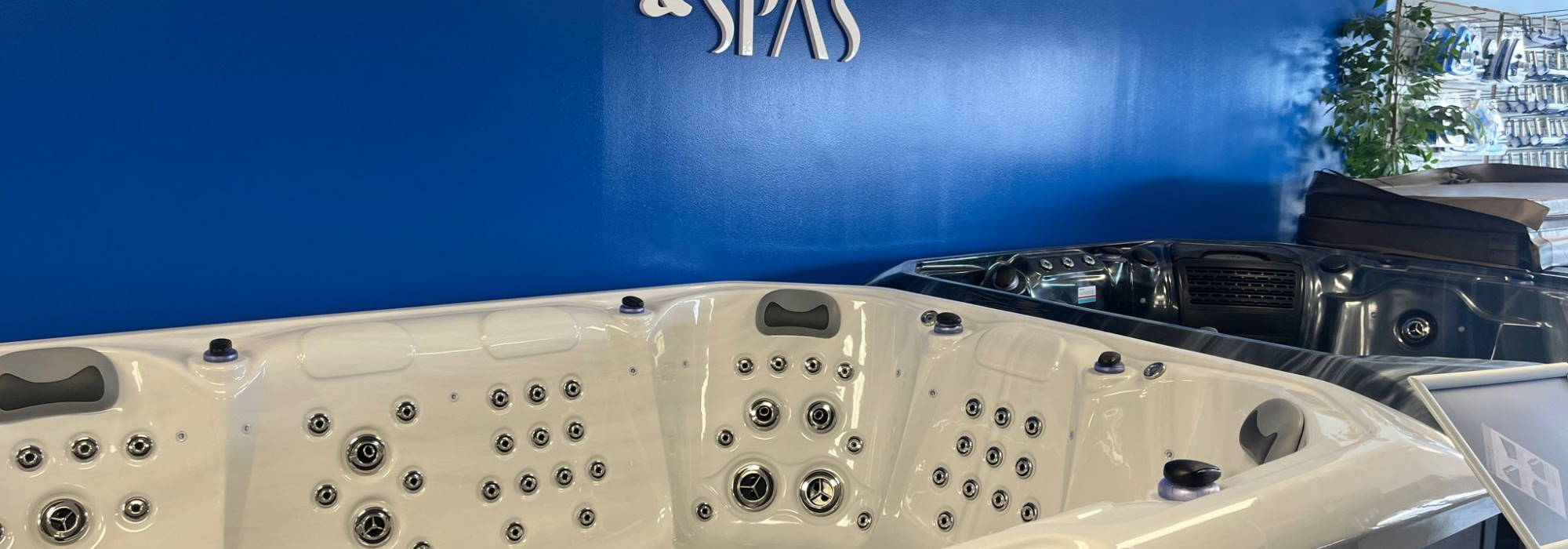
Full‑foam tubs use spray foam to fill the cabinet cavity, locking heat around the plumbing and pump. Thermal-pane or reflective wrap designs rely on a warm air cavity and reflective barriers. Both can perform well if the cabinet and cover fit tight. The cover matters as much as the cabinet. A 4‑inch to 2‑inch tapered, high‑density foam cover with good vapor barrier will keep heat where it belongs. If a store tries to hand you a floppy cover because it’s “what comes in the bundle,” ask to upgrade and pay the difference. You’ll make it back in one winter.
Five sub‑$7,000 models that make sense in Manitoba
Price ranges shift with promotions, freight, and seasonality. I’m giving brackets based on recent Winnipeg quotes and typical Canadian pricing for 2024 to 2025. Think of these as targets, not guarantees. When you search “hot tubs store near me,” bring these specs as a baseline.
1) Rotomold workhorse, 4 to 5 seats, 120V convertible
Rotationally molded tubs from reputable brands are lighter, tougher against hail and kid mishaps, and far less fussy about site prep. They also sip power thanks to smaller heaters and water volume. Most will run on 120V out of the box and convert to 240V for faster heat recovery.
What to like: Indestructible shell, low maintenance, modest gallon count for lower heating cost, simple controls that survive Winnipeg’s January. In cold weather you want fewer moving parts, not more.
What to watch: These tubs rarely offer the footwell jet clusters or reclining lounge ergonomics of pricier acrylics. The cover quality varies a lot. Ask for a 4‑2 inch taper and confirm the R‑value.
Typical specs: 220 to 300 gallons, 20 to 28 jets, one two‑speed pump, ozone optional, insulation varies from foam panels to partial fill. Price in Winnipeg: roughly $4,200 to $5,900 delivered, depending on brand and add‑ons.
Anecdote: A family in St. James ran a 275‑gallon rotomold at 101 F all winter on 240V, averaging about $35 to $45 per month in electricity. The exact bill swung with wind exposure and whether they remembered to latch the cover.
2) Compact acrylic 5‑seater with full‑foam, 240V
If you want that glossy interior and sculpted seats without burning your budget, a compact footprint acrylic tub is the sweet spot. Look for a true full‑foam cabinet, a small circulation pump, and 30 to 40 well‑placed jets instead of decorative spritzers.
What to like: Better hydrotherapy from contoured seating, quieter filtration with a circ pump, tight covers, more robust warranty terms on the shell.
What to watch: Delivery can be trickier if you have a narrow side yard. Acrylic shells weigh more, so plan your path and pad carefully. In many Winnipeg lots you’ll want a crane or a rolling cart and boards, which adds cost.
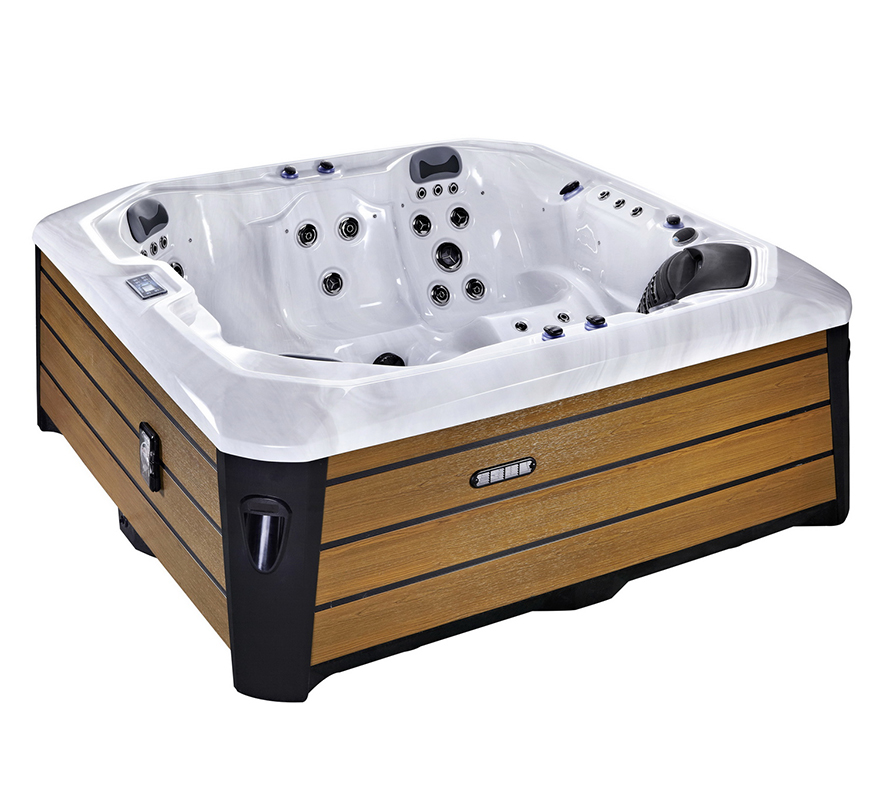
Typical specs: 280 to 330 gallons, 30 to 40 jets, one jet pump plus circ pump, 50A service, ozone often included. Price: usually $5,800 to $6,900 depending on cover lift, steps, and local promotion.
Experience note: Most owners underestimate the value of a circulation pump until they hear the tub cycling at 2 a.m. in minus 30. A circ pump hums quietly and sips power while filtering consistently, which also keeps chemistry steadier.
3) Family 6‑seater, no lounge, thermal‑pane insulation
A no‑lounge layout maximizes butt‑in‑seat capacity, which matters if you host. Thermal‑pane designs have improved, with reflective barriers plus strategic foam around plumbing. The goal is to warm the cabinet air with pump heat and keep that heat trapped.
What to like: Open footwell, usable corner seats, easier in‑and‑out for grandparents and kids. Thermal‑pane tubs sometimes offer better serviceability than full‑foam because you can reach plumbing without digging through hardened foam.
What to watch: Performance depends on tight cabinet seals and a good skirt. In Winnipeg winds, a leaky panel behaves like a heat siphon. Check panel fit in the store. If the skirt feels flimsy, move on.
Typical specs: 320 to 380 gallons, 25 to 35 jets, one pump or one plus a small circ, 50A. Price: $5,300 to $6,700 in typical local ads, with ozone as an add‑on.
Footnote from the field: I’ve seen two thermal‑pane tubs with loose corner caps that whistled through a blizzard and dropped two degrees overnight. A bead of weatherstrip tape fixed it. That’s the kind of simple tweak that pays back when you live on a prairie.
4) Plug‑and‑play 120V, 2 to 4 seats, winterized bundle
If trenching and electrical upgrades kill the vibe, a 120V tub still has a place. The best versions come bundled with a heavier cover, wrap insulation, and a wind‑rated cabinet. They’re also easy to drain and set on reinforced decking.
What to like: No electrician at start, lower install cost, light enough to move without a crane. Low water volume means you heat faster from cold.
What to watch: You can’t run jets on high and heat at the same time on many 120V tubs. In January, the water will drop a degree or two during long soaks. Insist on a proper cover and consider adding a floating thermal blanket to help.
Typical specs: 150 to 220 gallons, 15 to 20 jets, one two‑speed pump, 15A or 20A GFCI cord. Price: $2,800 to $4,500 with winter cover upgrade. A fair Winnipeg choice for smaller yards or budget‑first buyers.
5) Floor model or previous‑year acrylic with upgraded cover
Dealers in Winnipeg often rotate floor models before the first snow or right after spring home shows. If you can live with last year’s shell color, you can land a mid‑tier acrylic tub with sturdy components for under $7,000. Put any savings into a better cover, steps with handrail, and a lift system that a real human can use in February with mitts on.
What to like: More muscle for the money, better controls, nicer jets, sometimes an included stereo that you can take or leave.
What to watch: Warranty start dates and coverage on floor models vary. Ask whether the warranty is full new coverage or adjusted. Check every jet, light, and diverter in the store with water, not just on a dry demo.
Typical specs: 300 to 360 gallons, 35 to 45 jets, one or two pumps, full‑foam. Price: $5,500 to $7,000 depending on timing and dealer inventory.
Where to shop and what “Winnipeg Hot Tubs” usually means
Local dealers matter more here than in milder climates. When it’s minus 37 and your heater trips, you want someone who answers the phone. Search phrases like “Winnipeg Hot Tubs” or “hot tubs store near me” will turn up big‑box options and specialty showrooms. The specialty shops are more likely to carry cold‑climate brands, keep parts in stock, and have technicians who know how to winterize or troubleshoot in a storm.
Visit two or three showrooms. Sit in dry tubs. Pay attention to seat depth if you are shorter than 5'6" or taller than 6'2". Real comfort is about whether your shoulders sit where the jets land, not about jet count. Ask to see a cutaway of the insulation. Ask about delivery routes for narrow yards, crane options over garages, and winter service policy. A dealer that dodges those questions will dodge them again in February.
The costs people forget to budget
The tub isn’t the only line item. Winnipeg’s climate puts a spotlight on a few add‑ons that are worth every dollar.
- Electrical: A proper 240V install with GFCI spa pack ranges from about $900 to $2,200 in Winnipeg, depending on panel capacity and distance. If your panel is maxed, a subpanel may add a few hundred. Base and site prep: A poured pad is best. Compact gravel with patio stones works if the base is dead level. Budget $300 to $1,200 depending on DIY appetite and access. Cover lift: Get one. Wrestling a heavy, snow‑laden cover is a safety issue. A mid‑range hydraulic lift runs $250 to $450, plus installation. Water care: Expect $15 to $35 per month for chemicals and filters. Ozone or UV can trim sanitizer demand, but you still need a routine. Winter accessories: A floating thermal blanket, a few feet of walkway mats for traction, and a small brush for snow make winter soaking easier and safer.
Real‑world winter performance, with numbers not guesswork
A 300‑gallon tub contains roughly 2,500 pounds of water. Every degree you raise it takes energy, and every wind gust fights you. The two biggest energy savers in a Winnipeg winter are a tight cover and limited heat loss to wind. On a sheltered patio, a well‑insulated tub at 102 F often costs $35 to $60 per month in January and February, assuming normal use. On an exposed deck that faces northwest, that number can climb to $70 to $100, especially if the cover doesn’t seal or you open the lid every night in high wind.
You can tame those numbers. Lower the setpoint to 100 on workdays, then bump to 102 an hour before a soak. Keep the water balanced so the heater and sensors aren’t cycling unnecessarily. Rinse the filters every two weeks in winter. Dirty filters force longer pump cycles and, indirectly, more heat loss.
How to vet a budget hot tub quickly in the store
You do not need to be a spa engineer to spot red flags. Use a few tactile checks and straightforward questions to separate the keepers from the regret pile.
- Press the cabinet panels: do they flex like a cereal box, or feel rigid? Better cabinets keep wind out and heat in. Lift the cover: heavy can be good if it’s dense foam, not waterlogged foam. Ask the R‑value and the taper. Check the hinge seam and the double skirt flaps. Look under the skirt: is there foam on the shell and plumbing, or just shiny bubble wrap? Shiny alone rarely wins a prairie winter. Scan the parts list: Balboa or Gecko controls and heaters are easier to service locally. Generic boards can be a headache. Ask for a wet test: even five minutes in water tells you more about noise, seat depth, and jet feel than any brochure.
Acrylic versus rotomold in a prairie backyard
Owners argue about this over beers. Acrylic looks high‑end and feels smooth. Rotomolded tubs are rugged, forgiving, and often warmer pound for pound due to lower water volume and simpler internals. In Winnipeg, the decision often rests on two things: wind exposure and how rough your yard is on gear.
If your tub will sit in a protected corner with a windbreak and you care about lounge seats and foot jets, a compact acrylic with full‑foam can fit under $7,000 and make you happy for years. If your tub will live on a deck that takes the brunt of January, or you have kids who treat the backyard like a hockey rink, a rotomold workhorse with a top‑tier cover and an added thermal blanket can be the better practical choice.
Chemistry without the headache
Cold weather amplifies small mistakes. Keep it simple. Winnipeg water often arrives moderately hard and cold. Bring a sample to the store and ask for a target plan that matches your sanitizer preference.
I’ve had the least trouble with dichlor to build a small cyanuric acid baseline, then switching to bromine tabs in a floater for winter. Bromine is a little more forgiving in low temperatures and with inconsistent soak schedules. Pair that with weekly shock, filter rinses every two weeks, and a filter soak every few months. If you choose ozone or UV, you still need sanitizer, just less of it. Most families with sub‑$7,000 tubs in Manitoba manage with 10 to 20 minutes of care weekly and a full drain and refill every 3 to 4 months.
Pro tip: Keep a small squeeze bottle of pre‑measured shock in the inside porch. Hit the tub after a Friday night soak, then close the lid. Let the system work while you sleep. You’ll wake to clear water and minimal smell.
Installation in Winnipeg, without the winter drama
Site prep wins or loses the whole experience. A hot tub wants flat, level, and well‑drained. On clay soil that heaves, a compacted gravel pad with a geotextile layer under it resists movement. If you pour concrete, let it Electrical hookup cure and settle well before placement. Check door widths and gate swings. A 32‑inch gate can’t pass a 36‑inch tub without removing panels or hinges. If a crane is cheaper than dismantling fences, choose the crane. Winter installs are fine if the site is ready and the path is clear of ice, but shoulder seasons make everyone happier.
Electrical codes in Manitoba require a GFCI disconnect within sight of the tub and certain clearances around the spa pack. Hire a licensed electrician. I’ve seen DIY runs where the GFCI lived inside the basement by the panel. That is not compliant and it’s not safe. A good electrician will also explain bonding and why a simple copper wire to the rebar or bonding plate matters.
When to buy for the best deal
You’ll find three good windows for pricing in Winnipeg. Fall, when dealers incentivize moving floor models before the deep freeze. Late winter into early spring, right after the home and garden shows, when show models return and promo pricing lingers. And occasionally late spring, when freight cycles and inventory swaps make dealers flexible. If you can be patient and you’re not chasing a specific shell color, you can land an acrylic six‑footer with full‑foam and a proper cover comfortably under $7,000 during these windows.
That said, if you find the right model and the dealer looks solid, don’t lose a fit for the sake of an extra two percent in savings. The pain of a too‑deep seat or a noisy pump lasts longer than the glow of a small discount.
A Winnipeg‑proof short list before you sign
You’re almost there. Bring this short list into the store and check each item off with the salesperson in plain language.
- Show me the insulation cross‑section and the cover taper and density, in writing on the invoice. Confirm service response time in January and what parts are stocked locally for my model. Confirm electrical requirements, breaker size, and whether a circulation pump is included. Verify warranty terms on shell, parts, and labor, especially on floor models. Walk the delivery path and quote the real delivery method, including crane if needed.
Living with a budget tub for the long haul
With a little care, a sub‑$7,000 hot tub can run a decade or more in Winnipeg. The weak link is usually the cover, which lives a hard life under snow loads. Plan to replace it around year 4 to 6. Keep the skirt panels tight, add a winter windbreak if your site is exposed, and don’t ignore small leaks. A teaspoon trail from a union today is a frozen headache tomorrow. Most leaks are fixable with simple fittings if you catch them early.
When friends ask which model I’d put on my own deck for under $7,000, I think first about the site, not the brand badge. If I had a sheltered nook, I’d choose a compact acrylic five‑seater with full‑foam, a circulation pump, and 240V service. If I had a breezy deck and teenagers, I’d choose a high‑quality rotomold with an upgraded cover and add a floating blanket for deep winter. Either way, I’d buy locally from a dealer who stocks parts, knows the weather we live in, and answers a Saturday call without sending you to a voicemail abyss.
You’ll see plenty of “hot tubs for sale” signs as the seasons turn. The good ones, sized right and insulated like they mean it, make Winnipeg winters feel shorter and summer evenings longer. Pick with your climate in mind, and the tub will reward you every time you lift the lid and watch the steam rise into a Manitoban sky.